Telehandlers Overview: Explore Basics, Features, and Essential Knowledge Guide
A telehandler, also known as a telescopic handler, is a type of heavy equipment designed to lift, move, and place materials at various heights and distances. It combines features of a forklift and a crane, using a telescopic boom that can extend forward and upward.
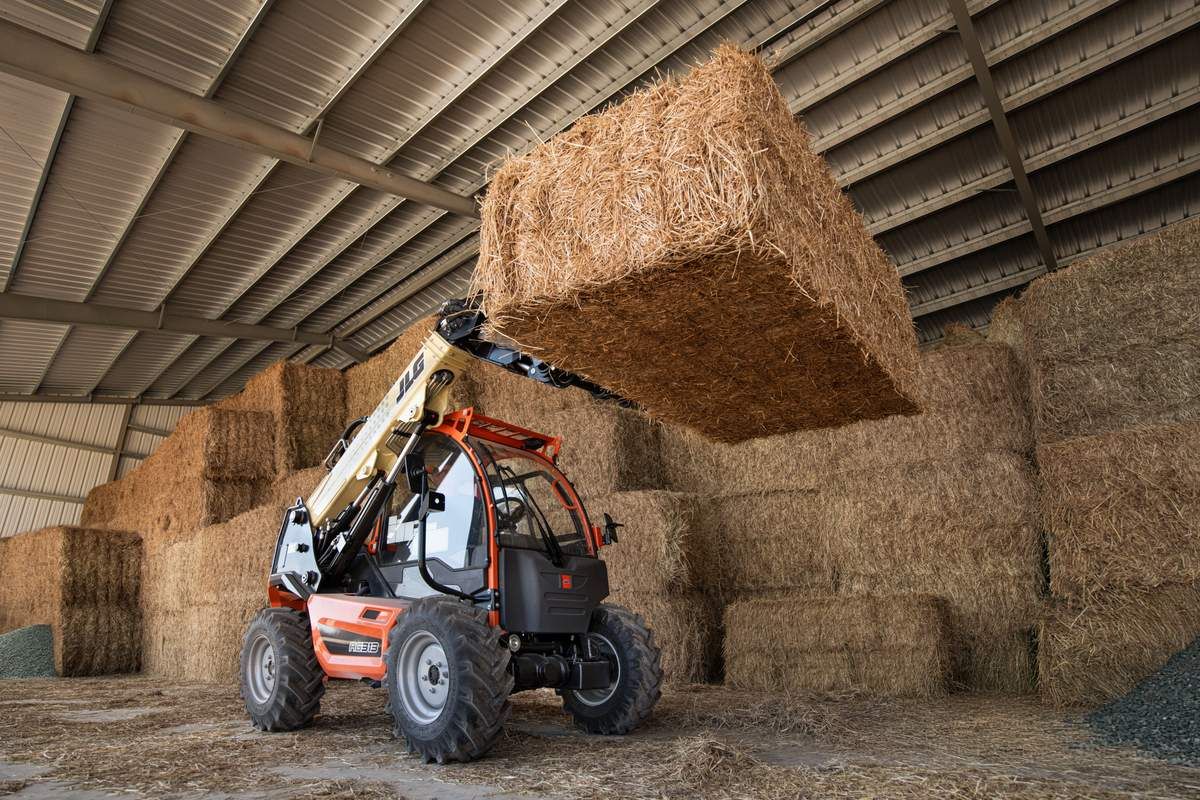
Telehandlers were developed to address limitations found in traditional forklifts. Standard forklifts are effective for lifting materials vertically but struggle with uneven terrain and long-reach applications. Construction and agricultural sites often require equipment capable of reaching elevated areas while maintaining stability on rough surfaces.
The core components of a telehandler include:
-
A telescopic boom for extended reach
-
Hydraulic systems for controlled lifting
-
Stabilizers or outriggers for balance
-
Interchangeable attachments
Attachments may include:
-
Pallet forks
-
Buckets
-
Work platforms
-
Lifting jibs
This versatility makes telehandlers adaptable across industries such as construction, agriculture, warehousing, and infrastructure development.
Importance: Why Telehandlers Matter Today
Telehandlers are a key part of modern material handling equipment, especially as construction projects grow taller and industrial operations demand greater flexibility. Their ability to lift, extend, and place materials in hard-to-reach areas makes them highly valuable across multiple industries.
Key Industries Using Telehandlers
- Construction and infrastructure development
- Agriculture and farming
- Industrial warehousing
- Energy and utilities
Problems Telehandlers Solve
Telehandlers help address several operational challenges:
- Lifting materials to upper building levels
- Handling loads on uneven or off-road terrain
- Reducing risks associated with manual labor
- Improving productivity and efficiency on job sites
From a workplace safety perspective, telehandlers reduce strain injuries but require proper training and compliance to operate safely.
Telehandler vs Forklift Comparison
| Feature | Telehandler | Forklift |
|---|---|---|
| Boom Reach | Telescopic (extended reach) | Fixed vertical mast |
| Terrain Capability | Suitable for rough terrain | Best for flat surfaces |
| Attachments | Multiple interchangeable tools | Limited options |
| Height Access | High reach capability | Moderate lift height |
Telehandlers are particularly useful in large infrastructure projects where material placement at height is frequent and time-sensitive.
Recent Updates and Industry Trends
The telehandler industry has seen several advancements focused on safety, efficiency, and sustainability.
Key Developments
- Advanced load management systems for stability control
- Telematics integration for remote monitoring
- Improved fuel efficiency and reduced emissions
- Growth of hybrid and electric telehandlers
Telematics systems now allow operators and managers to monitor:
- Equipment usage
- Maintenance schedules
- Performance metrics
Safety Enhancements
Modern telehandlers increasingly include:
- Automatic load stability indicators
- Rear-view camera systems
- Operator presence detection
- Enhanced rollover protection structures
Shift Toward Electric Models
Electric telehandlers are becoming more common, especially in urban and indoor environments. These models help:
- Reduce emissions
- Lower noise levels
- Meet environmental compliance standards
Laws and Policy Considerations
Telehandlers are regulated under heavy machinery and workplace safety laws. While regulations vary by region, common requirements include:
Regulatory Areas
- Operator certification and training
- Equipment inspection and maintenance
- Load capacity limits
- Workplace hazard assessments
Operators are typically required to complete formal training covering:
- Equipment handling principles
- Load chart interpretation
- Stability awareness
- Emergency procedures
Regular inspections and maintenance documentation are also required to meet safety standards.
Environmental Policies
Emission control regulations are influencing the development of cleaner fuel systems and electric telehandlers, especially in urban construction zones.
Tools and Resources for Telehandler Operations
Various tools and digital platforms support safe and efficient telehandler use.
Useful Resources
- Equipment manuals from manufacturers
- Load capacity charts
- Fleet management software
- Safety training modules
- Industrial compliance databases
Technical Tools
- Load capacity calculators
- Telematics monitoring systems
- Hydraulic performance trackers
- Maintenance scheduling software
Load Capacity Example
| Boom Extension Distance | Maximum Load Capacity |
|---|---|
| Short Extension | High Capacity |
| Medium Extension | Moderate Capacity |
| Full Extension | Lower Capacity |
As the boom extends, stability decreases, so load limits must be reduced accordingly.
Frequently Asked Questions
What is a telehandler used for?
A telehandler is used to lift, move, and place materials at various heights and distances using a telescopic boom.
How is it different from a forklift?
Telehandlers provide extended reach and flexibility, while forklifts are designed for vertical lifting on flat surfaces.
Do telehandlers require training?
Yes. Most regulations require formal training and certification to ensure safe operation.
What attachments can be used?
Common attachments include:
- Pallet forks
- Buckets
- Lifting jibs
- Work platforms
Are electric telehandlers available?
Yes. Electric and hybrid models are increasingly used for environmentally sensitive or indoor projects.
Conclusion
Telehandlers are versatile and essential machines in modern construction and material handling environments. Their telescopic boom design enables efficient lifting and placement tasks that traditional equipment cannot easily achieve.
With advancements in safety systems, telematics, and energy-efficient technology, telehandlers continue to evolve alongside industry demands. Regulatory frameworks ensure safe operation, while digital tools support performance monitoring and maintenance planning.
Understanding telehandler functionality, compliance requirements, and operational best practices helps organizations improve productivity while maintaining strong safety standards.