Importance: Why Jet Ski Adventures Matter Today
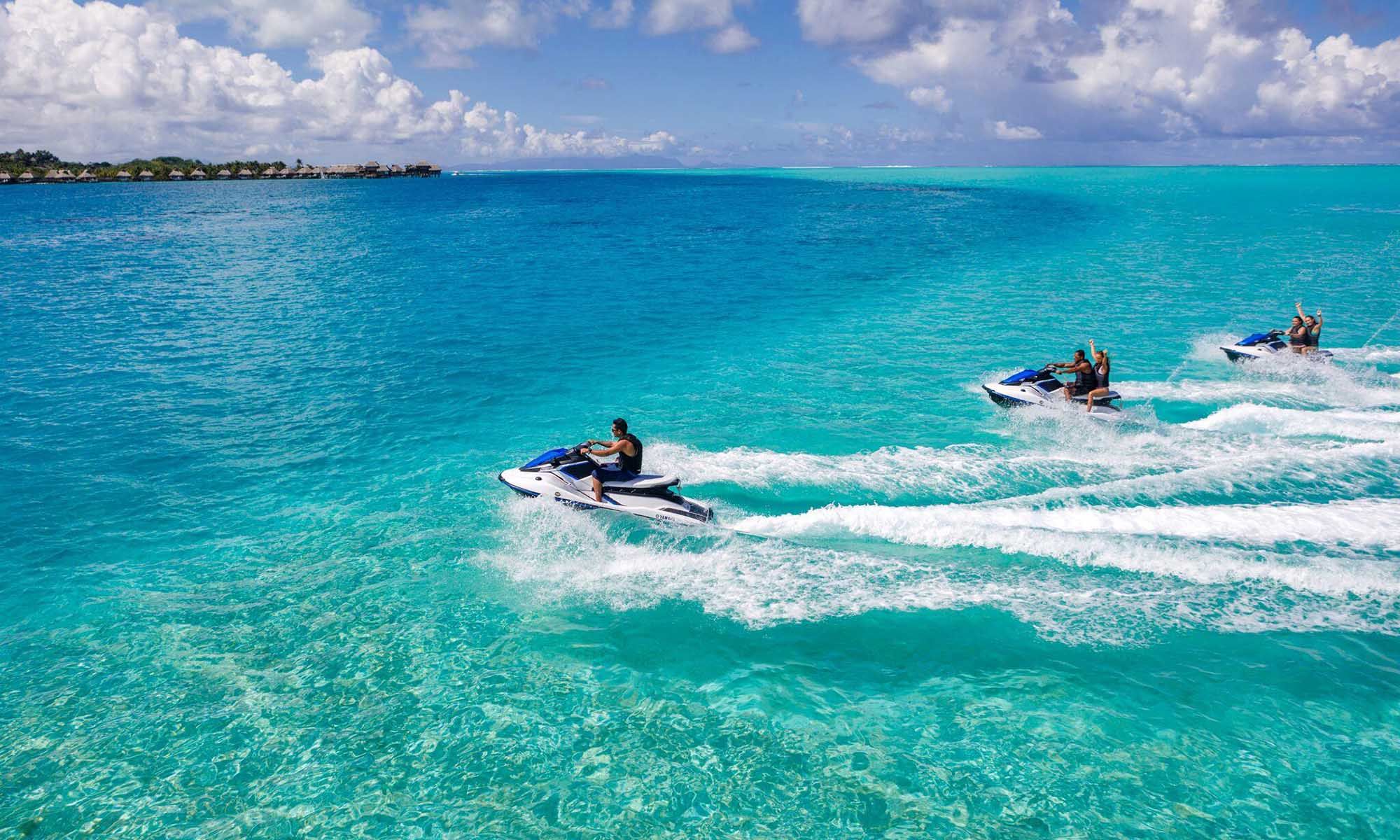
Jet ski adventures play an important role in modern recreational culture by combining physical activity, outdoor exploration, and water safety awareness. They offer a structured and engaging way to experience marine and freshwater environments.
Key reasons this topic matters:
-
Encourages active lifestyles
Promotes physical movement and outdoor engagement
-
Supports water safety awareness
Introduces safe riding practices and responsible behavior
-
Raises environmental awareness
Encourages understanding of coastal and freshwater ecosystems
-
Provides controlled adventure experiences
Suitable for beginners as well as experienced riders
Jet skiing also impacts multiple groups such as recreational users, trainers, local authorities, and environmental observers. It offers a compact alternative to traditional boating, helping reduce congestion on waterways when properly managed.
Recent Updates: Trends and Developments
Jet ski adventures have evolved with a stronger focus on safety, technology, and environmental responsibility.
Key developments include:
-
Improved engine technology
Quieter, fuel-efficient engines reduce environmental disturbance
-
Enhanced safety practices
Mandatory safety briefings and skill assessments before rides
-
Guided route-based experiences
Organized tours replacing unstructured open-water riding
-
Beginner-friendly zones
Designated areas for safe learning and controlled navigation
-
Digital integration
Use of booking platforms, GPS tracking, and ride monitoring tools
These trends show a shift toward safer, more organized, and user-friendly jet ski experiences.
Laws or Policies: Regulatory Considerations
Jet ski activities are governed by water safety and environmental regulations.
Common regulatory themes:
-
Mandatory use of safety gear (e.g., life jackets)
-
Speed limits and restricted zones near shorelines
-
Protection of wildlife habitats and sensitive areas
-
Noise and pollution control guidelines
-
Operator awareness and training requirements
These rules help ensure safe coexistence between recreational users, local communities, and the environment.
Tools and Resources: Helpful Support for Riders
Various tools and resources help riders plan and enjoy jet ski adventures safely.
Useful resources include:
-
Weather and tide tracking apps
-
Water safety guides and manuals
-
Navigation charts with approved riding zones
-
Safety checklists for equipment readiness
-
Online training modules for beginners
Resource Overview Table
| Resource Type | Purpose | Practical Use |
|---|
| Weather Apps | Track conditions | Plan safe rides |
| Safety Guides | Explain precautions | Reduce risks |
| Navigation Maps | Show approved routes | Avoid restricted zones |
| Training Modules | Build riding skills | Improve confidence |
These tools help users make informed decisions and enhance overall safety.
FAQs: Common Questions Answered
What is a jet ski?
A jet ski is a personal watercraft powered by a jet propulsion system, typically designed for one to three riders and controlled using handlebars.
Are jet ski adventures suitable for beginners?
Yes. Many experiences are designed for beginners, including training sessions and guided rides.
What safety equipment is required?
Common equipment includes life jackets, safety lanyards, protective eyewear, and appropriate clothing.
Do jet skis harm the environment?
When used responsibly, their impact is minimal. Issues mainly arise from improper use near shorelines or wildlife zones.
Where can jet skis be used?
They can be used on lakes, rivers, and oceans, depending on local regulations and water conditions.
Conclusion
Jet ski adventures are a dynamic and engaging form of water recreation that combines physical activity, exploration, and skill development.
With advancements in safety practices, environmental awareness, and digital tools, jet skiing continues to evolve as a structured and responsible activity. Understanding its importance, trends, regulations, and resources helps individuals enjoy this experience safely while respecting shared waterways and natural ecosystems.